Comprehending the Diverse Functions of Sugar Cane in Farming and Manufacturing
Sugar Cane plays an essential function in both farming and production. As a significant cash money plant, it influences economic situations in tropical regions. Its flexibility extends past sugar production to biofuels and naturally degradable products. Additionally, sugar Cane growing promotes dirt wellness and biodiversity. However, the complete range of its payments and potential in lasting practices remains to be checked out. What ingenious measures could improve its function in future farming systems?
The Agricultural Value of Sugar Walking Cane
Sugar Cane plays an important function in agriculture, contributing substantially to the economic situations of lots of exotic and subtropical regions. This grass types thrives in cozy environments, needing adequate sunlight and water, making it an ideal crop for these locations. Sugar Cane is largely grown for its high sucrose content, which offers as an important basic material for sugar production. In addition, it plays a significant duty in soil conservation by avoiding disintegration and improving dirt fertility through its growth cycles. Sugar walking cane's substantial root system help in water retention, profiting surrounding crops. The plant supports neighborhood environments by giving environment and food for numerous wild animals varieties. Farmers frequently integrate sugar Cane right into crop turning systems, boosting biodiversity and farming durability. The farming of sugar Cane not only fulfills neighborhood food demands but likewise cultivates sustainable agricultural practices, promoting long-lasting ecological health and wellness in farming areas.
Economic Payments of Sugar Cane Cultivation
Although sugar Cane is commonly neglected, its financial contributions are significant, especially in creating nations where it acts as an essential cash money plant. The cultivation of sugar Cane generates substantial income for millions of farmers, giving resources and fostering rural growth. As a functional crop, it sustains various markets, consisting of sugar manufacturing, biofuels, and drugs, subsequently boosting regional economic climates.
Additionally, sugar Cane farming advertises job production in farming fields, refining facilities, and transportation networks. It additionally contributes to forex profits through exports, improving national economic stability. In areas such as Brazil and India, sugar Cane plays an essential function in farming exports, bolstering profession equilibriums.
Furthermore, the plant's by-products, like bagasse and molasses, supply additional economic possibilities, utilized in power generation and animal feed. For this reason, the economic influence of sugar Cane prolongs past plain growing, affecting more comprehensive commercial and farming landscapes.
The Process of Sugar Production From Walking Cane

The trip from sugar Cane to polished sugar entails a number of crucial phases that highlight the intricacy of sugar production. Initially, mature sugar Cane stalks are collected and delivered to processing facilities. The Cane is after that squashed to remove juice, which includes a high concentration of sucrose. This juice undergoes information, where impurities are removed, often making use of lime and warm
Next off, the made clear juice is vaporized to focus the sugar content. The resulting syrup is then subjected to condensation, permitting sugar crystals to form. These crystals are divided from the continuing to be syrup via centrifugation and washed to eliminate any type of recurring molasses.
The last involves refining, where sugar crystals are further cleansed and bleached, leading to the white granulated sugar generally used in food. This meticulous process emphasizes the detailed trip from raw Cane to the sugar that plays an important duty in various cooking applications.
Sugar Cane as a Resource of Biofuels
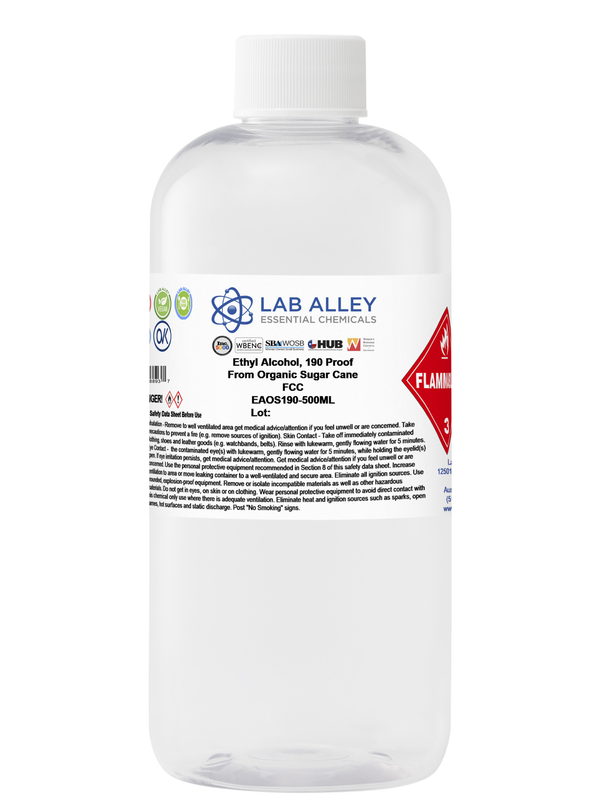
As interest in sustainable power resources expands, sugar Cane has actually become a substantial prospect for biofuel production. The plant's high sugar web content makes it possible for effective fermentation procedures, converting sugars into ethanol. This biofuel works as a renewable option to nonrenewable fuel sources, reducing greenhouse gas emissions and advertising energy sustainability.
Nations like Brazil have lengthy utilized sugar Cane for ethanol, establishing extensive production infrastructure that sustains both domestic energy needs and international export. The farming of sugar Cane for biofuel has likewise produced economic possibilities, especially in backwoods, where it generates dig this employment and supports neighborhood agriculture.
Furthermore, sugar Cane biofuels can be incorporated into existing fuel systems, making them a sensible option for changing away from typical power resources. As technical innovations continue to boost production performance, sugar cane's function in biofuel development is positioned to expand, further contributing to worldwide initiatives toward renewable resource fostering.
Cutting-edge Uses of Sugar Cane in Biodegradable Plastics
A growing number of producers and scientists are exploring cutting-edge uses sugar Cane in the production of naturally degradable plastics. Sugar cane, rich in sucrose, can be processed to develop polylactic acid (PLA), a biopolymer that acts as an option to petroleum-based plastics. This bioplastic can be used in various applications, including product packaging, disposable cutlery, and agricultural films.
The use of sugar cane-derived PLA offers numerous advantages, such as lowered dependence on fossil gas and the possibility for reduced carbon emissions during manufacturing. Furthermore, sugar walking cane's renewable nature makes it an attractive choice in the mission for lasting products. Recent developments in handling methods have improved the performance and cost-effectiveness of generating these bioplastics, cultivating better adoption in the industry. As the demand for environmentally friendly solutions expands, sugar Cane attracts attention as a beneficial source in the change in the direction of greener production practices.
Environmental Benefits of Sugar Cane Farming

Additionally, sugar Cane calls for much less water compared to other crops, making it appropriate for growing in deserts. Effective usage of plant deposits, such as bagasse, can reduce waste and give sustainable power resources. Sugar Cane farming can assist in the facility of agroforestry systems, producing a collaborating partnership between trees and plants. These techniques not just safeguard the atmosphere yet likewise advertise sustainable agricultural methods, inevitably benefiting neighborhood areas and communities.
The Future of Sugar Cane in Sustainable Practices
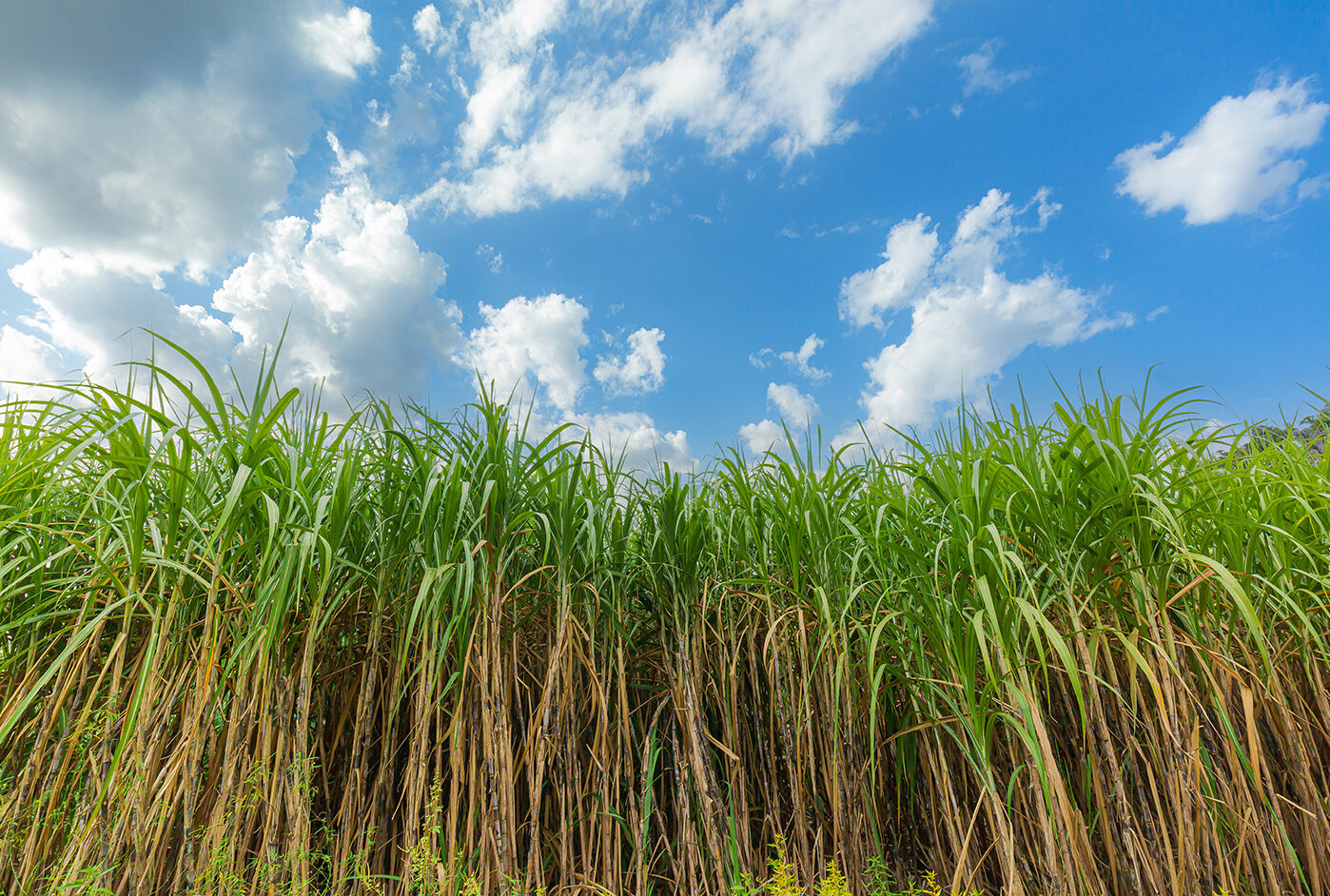
The potential for sugar Cane to add to sustainable energy resources is obtaining grip. Biofuels stemmed from sugar Cane can significantly lower carbon emissions contrasted to nonrenewable fuel sources, straightening with worldwide environment goals. In addition, developments in waste monitoring enable the use of byproducts, better lessening environmental impact.
Research right into drought-resistant sugar Cane selections is additionally underway, providing resilience versus climate adjustment. As stakeholders throughout the industry embrace these sustainable methods, sugar Cane is poised to play a vital function in cultivating farming sustainability, ensuring its importance in future markets and adding positively to ecological balance.
Regularly Asked Inquiries
Exactly How Does Sugar Cane Affect Dirt Wellness and Fertility?
The influence of sugar Cane on soil health and fertility is considerable. Its substantial origin system boosts soil structure, while organic matter from decaying leaves adds necessary nutrients, promoting overall fertility and supporting varied microbial life.
What Are the Labor Conditions for Sugar Cane Workers?
Labor problems for sugar Cane workers vary commonly, often defined by lengthy hours, low wages, and harmful environments. Many face obstacles such as absence of accessibility to healthcare and insufficient view publisher site safety measures against unsafe problems.
Can Sugar Cane Be Expanded in Non-Tropical Climates?
Sugar Cane normally thrives in tropical environments due to its heat and moisture needs. Specific non-tropical regions might successfully cultivate it with certain agricultural techniques, though yields and top quality may be substantially lowered.
What Vermin Typically Intimidate Sugar Cane Crops?
Insects harmful sugar Cane plants include the sugarcane borer, aphids, and nematodes. These microorganisms can greatly affect plant yield, requiring reliable pest monitoring methods to ensure healthy and balanced growth and optimize agricultural efficiency.
Exactly How Does Sugar Cane Farming Impact Resident Communities?
The cultivation of sugar Cane considerably impacts regional communities by giving job opportunity, promoting economic development, and influencing social frameworks. In addition, it can bring about environmental obstacles, affecting farming methods and neighborhood health and wellness in the area.
Sugar Cane is primarily cultivated for its high sucrose material, which offers as a critical raw product for sugar production. Farmers usually incorporate sugar Cane right into crop turning systems, improving biodiversity and agricultural strength. The trip from sugar Cane to refined sugar entails a number of key phases that highlight the complexity of sugar manufacturing. The last stage involves refining, where sugar crystals are more detoxified and bleached, resulting in the white granulated sugar typically used in food items. The plant's high sugar material allows reliable fermentation processes, transforming sugars right into ethanol.
Comments on “A Beginner’s Roadmap: Understanding What Is Sugar Cane Used For in Current Times”